



Quick Hits
- A lawful strike in Germany can supersede previously approved vacation, resulting in an employee not receiving vacation pay for the strike period.
- Vacation from the previous year may expire if it is not taken during the carryover period; the employer’s special obligations to cooperate may be set aside if the vacation has already been requested and approved.
The Case—Vacation Approved, Strike Underway: Who Pays?
The employer, a recycling company, had employed the employee since July 1, 2021. Prior to the start of industrial action, it granted the employee recreational leave for the period from December 11, 2023, to December 15, 2023. However, starting on November 8, 2023, the employee participated in a lawful strike at the company, which continued without interruption until May 2024. During this time, he did not do any work. The employer did not pay vacation pay for the approved vacation period. During the strike, the employee received strike pay from the union (IG Metall). In a letter dated February 21, 2024, he claimed vacation pay and later filed a lawsuit (most recently: EUR 774.10 gross plus interest); alternatively, he subsequently requested five days of recreational leave.
The Decision—Primary Obligations Suspended: Vacation Entitlement Lapses
The LAG dismissed the appeal and confirmed that the employee was neither entitled to vacation pay nor—in the alternative—the retroactive granting of five days of vacation from 2023. The starting point is that the fulfillment of the vacation entitlement generally requires a declaration of release from work by the employer and the payment or unconditional promise of vacation pay. The court also cites the Federal Labor Court’s ([ER1] [SF2] Bundesarbeitsgericht (BAG)) case law (BAG, judgment of May 28, 2024 – Ref. No. 9 AZR 76/22), according to which the employer has initially fulfilled its obligations by setting the vacation period at the employee’s request, and subsequent events generally do not invalidate the suspension of the duty to work that has already been effected “for the purpose of performance.”
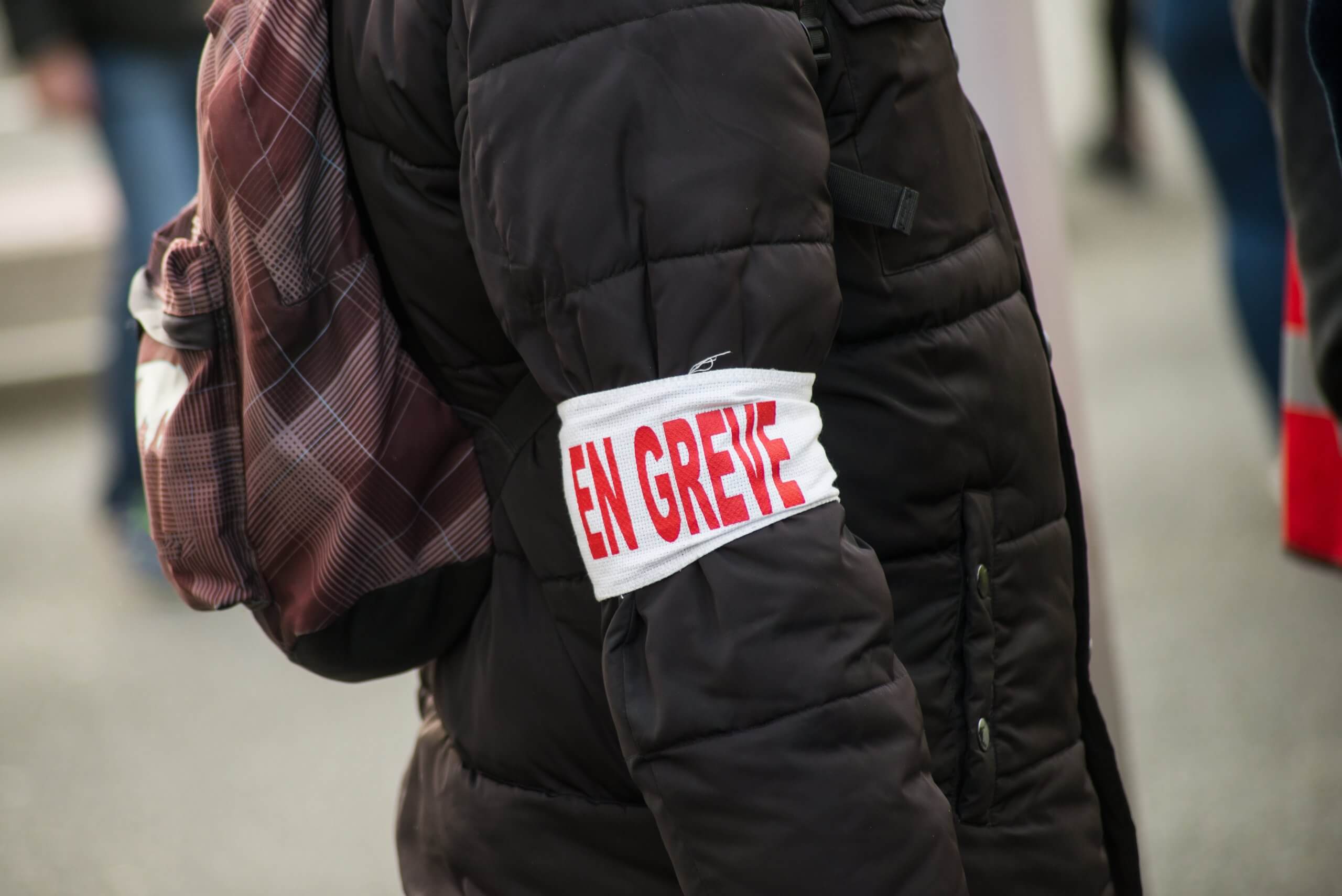
However, a decisive exception applies in the case of active participation in a lawful strike: participation in the strike supersedes the previously granted leave of absence. This is justified by the constitutionally protected status of industrial action (Art. 9(3) GG) and the legal consequence under labor dispute law that the mutual primary obligations arising from the employment relationship are suspended for the duration of participation in the strike (BAG, judgment of July 26, 2005 – Ref. No.1 AZR 133/04).
The consequence is the loss of the right to remuneration—and thus also the right to vacation pay—for the period during which the employee is on strike in the legal sense.
The LAG considered the participation in the strike to be undisputed. Following the call to strike, the employee did not report to work starting November 8, 2023, participated in the strike, and received strike pay. He also failed to demonstrate that he had terminated his participation in the strike during the vacation period vis-à-vis the employer and indicated his readiness to work; such a declaration might be necessary for the contractual obligations under the employment contract (and thus the basis for vacation “in kind”) to be reinstated. The recreational purpose of the vacation is not fulfilled by strike-related leave; a strike serves the pursuit of collective interests, not recreation.
The alternative claim was also unsuccessful. Vacation from 2023 had lapsed pursuant to § 7(3) of the Federal Vacation Act (Bundesurlaubsgesetz (BUrlG)) because it was not taken (at the latest) during the carryover period. The court rejected an extension due to the employer’s lack of cooperation because the employee had already applied for and been granted the vacation and, moreover—unlike in cases of long-term illness, for example—had in principle had the opportunity to take the vacation.
An appeal is pending before the BAG (Ref. No. 9 AZR 58/26).
Key Takeaways
During periods of industrial action, employers may want to clearly distinguish whether employees are actually taking vacation or are participating in a legal strike. In the case of active participation in a strike, the entitlement to vacation pay for the relevant period may lapse, even if vacation was previously approved. Clear communication and documentation processes are of practical importance, particularly when employees wish to “activate” vacation periods during ongoing strikes. Furthermore, the decision shows that vacation entitlements may, in principle, be subject to the rules of Section 7(3) BUrlG despite industrial action. An automatic prevention of forfeiture cannot be inferred from the strike situation.
Ogletree Deakins’ Berlin and Munich offices will continue to monitor developments and will post updates on the Cross-Border, Germany, and Leaves of Absence blogs as additional information becomes available.
Dr. Martin Römermann is a partner in the Berlin office of Ogletree Deakins.
Pauline von Stechow, a law clerk in the Berlin office of Ogletree Deakins, contributed to this article.
mage: © pixarno – stock.adobe.com